
UAE Heatwave & Dust Storm Alert: Why Dubai Is Facing Extreme Weather in June 2026
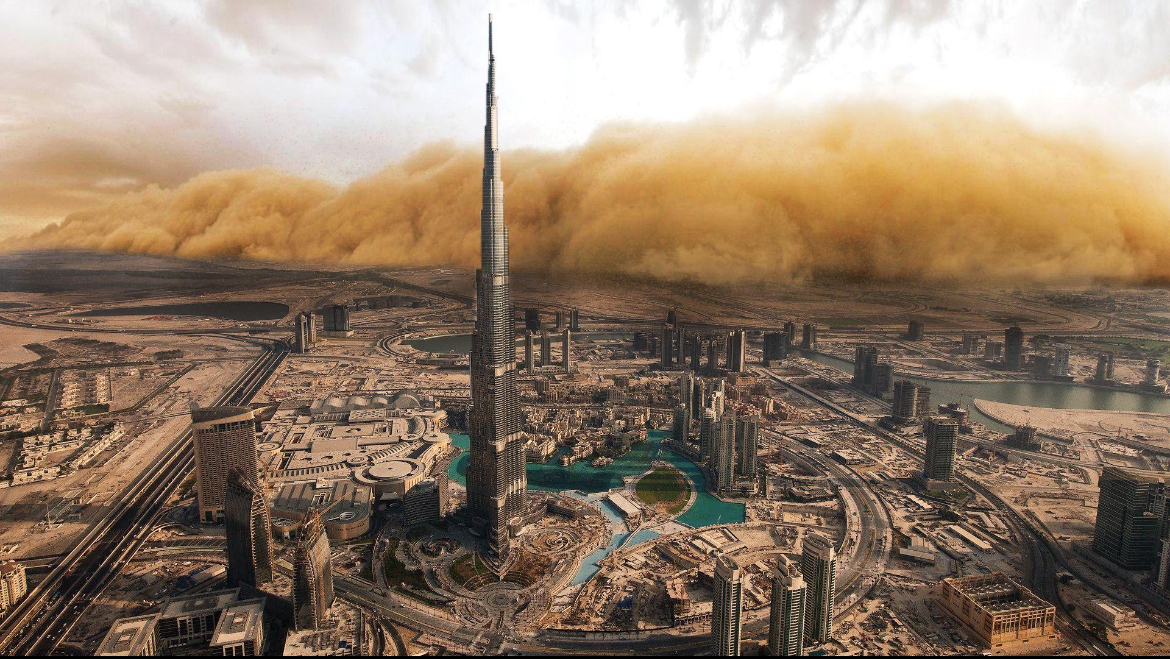
As summer takes hold across the United Arab Emirates, residents are once again facing one of the country’s most challenging weather periods. During June 2026, meteorologists have issued repeated warnings about extreme heat, blowing dust, reduced visibility, and strong winds affecting many parts of the UAE, including Dubai.
Temperatures in some inland regions have climbed as high as 46–47°C, while dusty conditions have periodically reduced visibility on roads and highways. The combination of intense heat and dust storms is creating difficult conditions for drivers, outdoor workers, and anyone spending extended periods outside.
Why Is the Weather So Extreme?
June marks the beginning of the UAE’s most intense summer season.
The country experiences powerful solar heating during this period, causing temperatures to rise rapidly throughout the day. Inland desert areas become especially hot because sand absorbs and retains large amounts of heat.
At the same time, changing wind patterns across the Arabian Peninsula create conditions that lift dust and sand into the atmosphere. These dust particles can travel long distances and affect cities throughout the UAE.
Temperatures Near 47°C
According to weather reports issued during June 2026, temperatures have regularly reached between 43°C and 46°C, with some locations approaching 47°C.
Dubai itself has generally remained slightly cooler than inland desert regions due to coastal influences, but daily highs near 39–41°C remain common. Even after sunset, temperatures often stay above 30°C, making nights feel unusually warm.
For many residents, especially those who work outdoors, these temperatures can be physically exhausting.
The Dust Storm Problem
Heat is only part of the challenge.
Strong northwesterly and southwesterly winds have repeatedly stirred up dust and sand across the country. Wind speeds have reached 40–50 km/h in some areas, causing blowing dust and significantly reducing visibility.
When dust storms occur, several problems arise:
- Reduced visibility for drivers.
- Increased respiratory irritation.
- Eye discomfort.
- More difficult outdoor working conditions.
- Delays in outdoor construction activities.
For drivers traveling between Dubai, Abu Dhabi, Sharjah, and other emirates, visibility can sometimes drop suddenly, requiring extra caution.
Impact on Daily Life
The weather affects nearly every aspect of life in the UAE.
Construction workers often need additional hydration and rest periods. Delivery drivers spend long hours in extreme temperatures. Outdoor events may be rescheduled or moved indoors.
Even simple activities such as walking, exercising, or sightseeing become more challenging during the hottest parts of the day. Many residents adjust their routines by staying indoors between noon and late afternoon.
Health Concerns
Medical experts frequently warn about:
- Dehydration
- Heat exhaustion
- Heat stroke
- Breathing difficulties from dust exposure
People with asthma or respiratory conditions can be particularly sensitive to dusty weather.
Authorities recommend drinking plenty of water, avoiding prolonged outdoor exposure during peak heat hours, and wearing protective eyewear when dust levels increase.
Challenges for Drivers
Dust storms can create dangerous driving conditions.
Fine sand particles reduce visibility and sometimes make it difficult to judge distances accurately. Combined with bright sunlight and heat haze, roads can become significantly more hazardous.
Drivers are advised to:
- Reduce speed.
- Increase following distance.
- Use headlights when visibility drops.
- Avoid sudden lane changes.
- Check weather updates before long journeys.
Economic Impact
Although Dubai is well adapted to harsh weather, extreme heat still carries economic costs.
Higher temperatures increase:
- Electricity consumption.
- Air-conditioning demand.
- Water usage.
- Vehicle maintenance requirements.
Businesses involved in construction, logistics, transportation, and outdoor services often face additional operational challenges during the summer months.
What Happens Next?
Meteorologists expect June, July, and August to remain extremely hot.
Weather forecasts suggest continued periods of dust, strong winds, and temperatures above seasonal averages. While occasional coastal humidity may bring fog or mist during early mornings, significant rainfall remains unlikely during the peak summer period.
Conclusion
The UAE’s June 2026 weather serves as a reminder of the country’s harsh desert climate. With temperatures approaching 47°C, frequent dust storms, and strong winds reducing visibility, residents are being encouraged to stay hydrated, limit outdoor exposure, and remain alert while driving.
For people living in Dubai, including workers, students, tourists, and business professionals, adapting to the summer heat is simply part of life. Yet each year, the combination of modern infrastructure, weather forecasting, and public awareness helps the city continue functioning smoothly despite some of the most extreme temperatures found anywhere in the world.