

Sheikh Mohammed Funds $2.4 Million Treatment for Jordanian Toddler
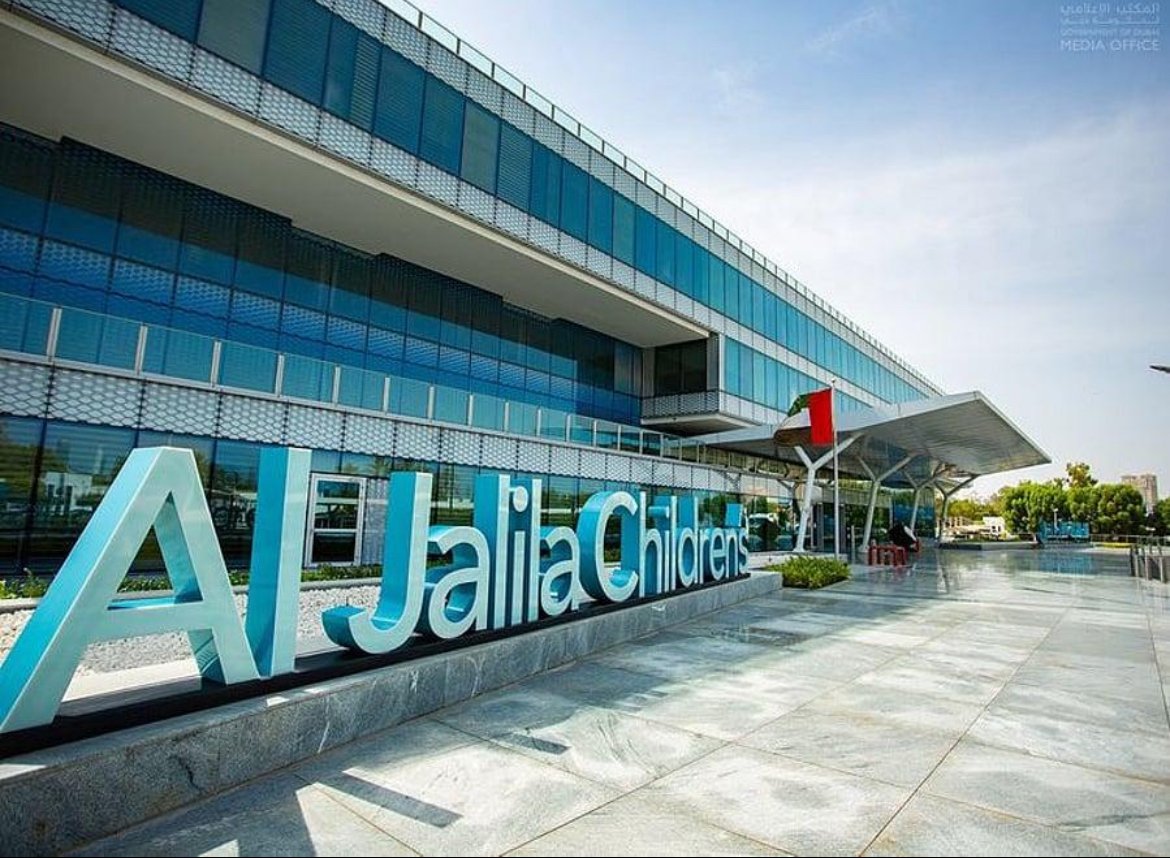
Dubai has witnessed a major humanitarian development after Sheikh Mohammed bin Rashid Al Maktoum, Vice President and Prime Minister of the UAE and Ruler of Dubai, directed funding of approximately $2.4 million for the treatment of a 16-month-old Jordanian girl suffering from spinal muscular atrophy (SMA). The treatment will be provided at Al Jalila Children’s Hospital in Dubai.
The case has attracted significant attention because of the extremely high cost of treatment for the rare genetic condition. The financial support will give the young child access to specialised medical care that would otherwise place a major financial burden on her family. The initiative highlights Dubai’s growing role not only as a medical destination but also as a centre for humanitarian assistance.
Spinal muscular atrophy is a serious genetic disorder that affects the motor neurons responsible for controlling muscles. In severe cases, children can experience significant muscle weakness and difficulties with movement, breathing and swallowing. Early medical intervention can be particularly important for children with the condition.
The treatment being supported is expected to provide the child with an important opportunity for medical improvement. Specialists at Al Jalila Children’s Hospital will oversee her care and provide the necessary treatment under professional medical supervision.
The decision also reflects the UAE’s broader humanitarian approach, where healthcare assistance has frequently been provided to people facing serious medical conditions. Dubai has developed a reputation for combining advanced healthcare facilities with initiatives aimed at supporting patients and families in difficult circumstances.
Al Jalila Children’s Hospital is one of Dubai’s specialised paediatric healthcare facilities and is designed to provide advanced treatment for children with complex medical conditions. The hospital forms part of Dubai’s wider healthcare infrastructure and plays an important role in providing specialised paediatric services.
The case also demonstrates the importance of access to expensive medical treatments for rare diseases. Some modern therapies can cost millions of dollars, creating challenges for families who may not have the financial resources required. Government and charitable assistance can therefore make a major difference for patients requiring highly specialised care.
For the child’s family, the announcement provides hope at a particularly difficult time. Caring for a child with a serious genetic disorder can involve not only medical challenges but also significant emotional and financial pressure. Receiving support for treatment can allow families to focus more fully on the child’s recovery and ongoing care.
The UAE has invested substantially in developing its healthcare sector over recent years. Dubai has attracted international medical professionals, hospitals and specialised healthcare providers, strengthening its position as a regional medical hub. Patients from different countries increasingly travel to the UAE for specialised treatments and consultations.
Healthcare is also an important part of Dubai’s wider strategy to become a global destination for advanced services. Modern hospitals, specialised doctors and advanced medical technologies have helped the emirate expand its healthcare capabilities.
The humanitarian initiative involving the Jordanian child therefore carries significance beyond one individual case. It demonstrates how Dubai’s healthcare infrastructure can be used to provide treatment for patients with complex medical needs while also highlighting the UAE’s humanitarian priorities.
The announcement has also generated positive attention because of the age of the child. At just 16 months old, receiving treatment at an early stage could be particularly significant in managing the effects of the disease. Medical professionals will determine the appropriate course of treatment based on her individual condition.
The financial commitment of $2.4 million illustrates the scale of resources sometimes required for rare-disease treatment. It also highlights why access to healthcare can be a major issue for families dealing with specialised genetic conditions.
Dubai’s leadership has repeatedly emphasised the importance of humanitarian values alongside economic development. The emirate is internationally recognised for its skyscrapers, tourism, business and real estate, but initiatives such as this demonstrate another aspect of Dubai’s identity.
The case has also drawn attention to the role of specialised hospitals in treating children with rare and complicated diseases. Facilities such as Al Jalila Children’s Hospital are designed to bring together specialised doctors, advanced equipment and multidisciplinary medical teams.
For the Jordanian family, being able to receive treatment in Dubai means that they can access the expertise and medical infrastructure available in the UAE. The support removes one of the biggest obstacles associated with the treatment — its cost.
The announcement also sends a broader message about the importance of international humanitarian cooperation. The child is Jordanian, while the treatment is being provided in the UAE, demonstrating how medical assistance can cross national borders when patients require specialised care.
Dubai’s international population and connections with countries across the Middle East have helped strengthen these relationships. Jordan and the UAE maintain longstanding ties, including cooperation in economic, social and humanitarian areas.
The treatment will now represent an important new chapter for the young girl and her family. Medical specialists will monitor her condition and provide ongoing care according to her needs.
While the treatment cannot guarantee a particular outcome, access to advanced medical care provides the child with a valuable opportunity. For families dealing with rare diseases, timely treatment and specialised medical supervision can be crucial.
The announcement ultimately highlights a different side of Dubai — one focused not on skyscrapers or business, but on humanitarian support and healthcare. The $2.4 million commitment provides a lifeline to a young child and demonstrates the potential impact that financial assistance and advanced medical facilities can have on families facing serious illnesses.
For Dubai, the initiative reinforces its image as a city that combines advanced healthcare capabilities with humanitarian values. For the young Jordanian girl and her family, however, the significance is much more personal: it represents hope and access to potentially life-changing treatment.