
Dubai Property Market Shows Signs of Slowing Down
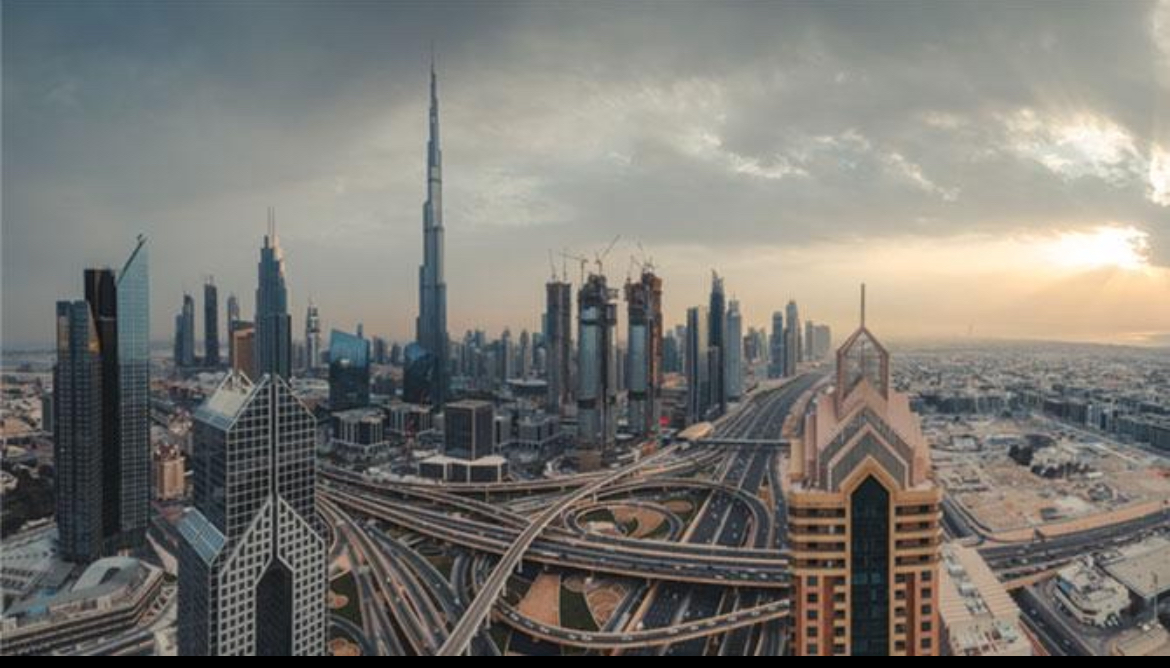
Dubai’s real estate market, one of the world’s fastest-growing property markets in recent years, is showing signs of cooling in 2026. After a remarkable boom that saw residential property prices rise by nearly 60% between 2022 and early 2025, analysts are now reporting weaker demand, lower transaction volumes, and growing concerns among investors.
What Is Happening?
According to recent market reports, property transaction volumes in the UAE fell sharply after regional geopolitical tensions increased earlier this year. Some analysts reported a 37% year-on-year decline in real estate transactions during parts of March, while others observed slower buyer activity across both residential and commercial segments.
Although luxury deals are still taking place, many buyers have become more cautious. Investors are taking longer to make decisions, negotiating harder, and waiting for greater market certainty before committing large amounts of capital.
Why Is the Market Slowing?
Several factors are contributing to the slowdown:
1. Regional Uncertainty
Ongoing geopolitical tensions in the Middle East have affected investor confidence. Some international buyers who previously viewed Dubai as a highly stable investment destination are now adopting a wait-and-see approach.
2. Large Supply of New Properties
Dubai has a significant number of new apartments and villas scheduled for delivery. Analysts believe that increased supply could place downward pressure on prices if demand does not keep pace. Fitch previously projected a market correction of up to 15% by the end of 2026.
3. More Selective Buyers
The era of rapid speculative buying appears to be slowing. Buyers are now focusing more on value, rental returns, location quality, and long-term fundamentals rather than simply expecting prices to keep rising.
Price Reductions Appear
Market data indicates that thousands of property listings across Dubai have experienced price reductions. In some premium areas, sellers have offered notable discounts to attract buyers. Analysts note that falling transaction volumes often occur before significant price adjustments become visible in official market statistics.
However, the situation varies greatly depending on location. Prime villa communities and luxury waterfront developments remain relatively resilient, while some apartment-heavy areas are facing greater pressure.
Is the Market Crashing?
Most experts say no.
While there are clear signs of weakness, many analysts describe the current situation as a correction or normalization rather than a crash. Dubai still benefits from:
- Strong international investor interest
- Favorable tax policies
- Continued population growth
- High rental yields
- Major infrastructure investments
These factors continue to support long-term demand.
What Could Happen Next?
The direction of the market will depend on several factors:
- Regional stability
- Global economic conditions
- Interest rates
- Population growth
- The pace at which new properties enter the market
If geopolitical tensions ease, buyer confidence could improve quickly. However, if uncertainty continues and new supply keeps increasing, prices may face additional downward pressure in some segments.
Conclusion
Dubai’s property market is no longer experiencing the explosive growth seen in previous years. Transaction volumes have slowed, buyer sentiment has weakened, and some sellers are lowering prices. Nevertheless, experts generally view the current phase as a market correction rather than a collapse. The coming months will reveal whether Dubai’s real estate sector stabilizes or enters a deeper period of adjustment.