
Dubai’s Financial Centre Continues Strong Growth Despite Regional Challenges
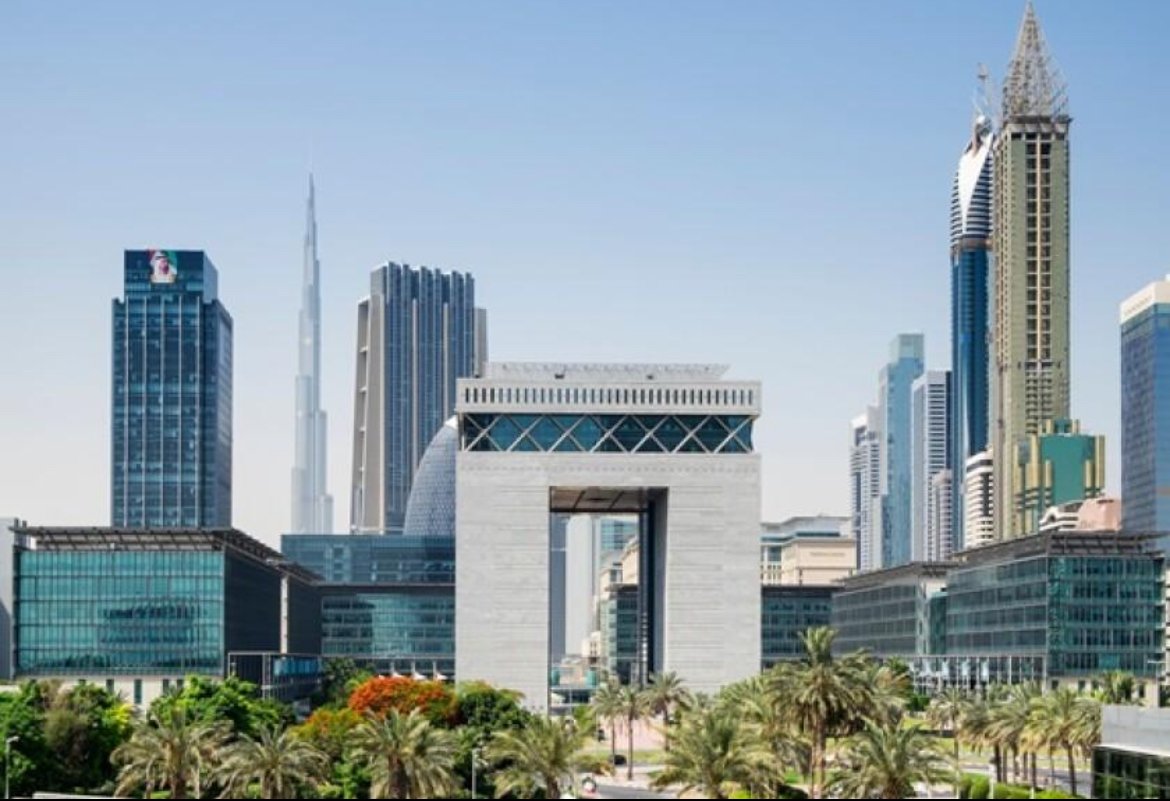
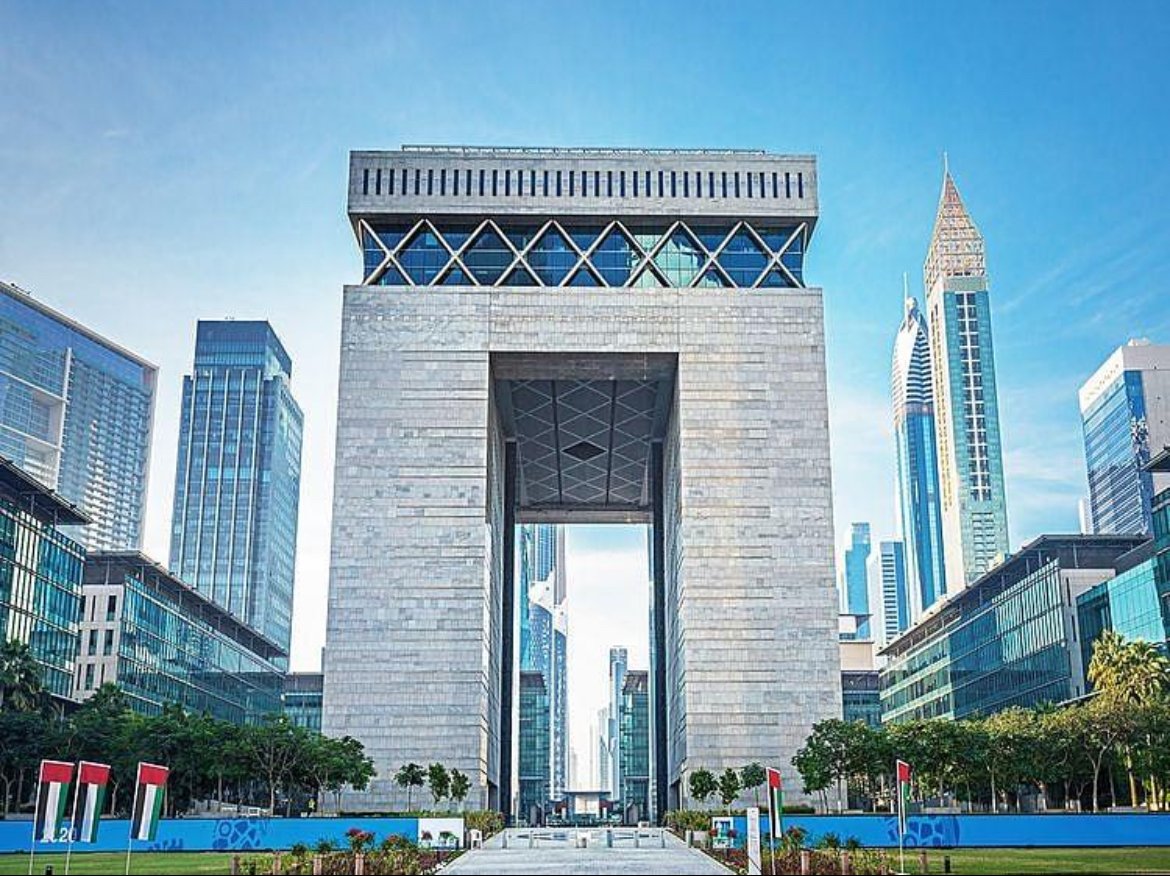
Dubai has once again demonstrated why it remains one of the world’s leading financial hubs. The latest figures show that the Dubai International Financial Centre (DIFC) recorded a 30% increase in new company registrations during the year ending June 2026. This impressive growth came despite geopolitical tensions in the Middle East, highlighting investors’ confidence in Dubai’s economy.
The DIFC has become a preferred destination for multinational corporations, fintech startups, investment firms, law firms, and wealth management companies. Businesses continue choosing Dubai because of its strategic location between Europe, Asia, and Africa, along with its business-friendly regulations and modern infrastructure.
According to the report, hundreds of new companies established regional headquarters in Dubai over the past year. Many businesses relocated operations from other regions due to Dubai’s political stability, tax advantages, and strong legal framework. Experts believe that Dubai’s ability to maintain economic growth during uncertain times has significantly strengthened international investor confidence.
Financial analysts say the emirate has successfully diversified beyond oil. Today, banking, tourism, aviation, technology, logistics, healthcare, real estate, and financial services contribute a significant share of Dubai’s GDP. The government has invested heavily in digital transformation, artificial intelligence, smart city projects, and sustainable infrastructure, making Dubai one of the most innovative business destinations globally.
Another factor behind this success is Dubai’s immigration and residency reforms. Long-term Golden Visas, remote work visas, and investor-friendly residency programs have encouraged entrepreneurs and skilled professionals from around the world to settle in the UAE. This has increased demand for office space, housing, education, and consumer services.
The continued expansion of fintech is another major driver. Digital banks, blockchain companies, cryptocurrency firms, and AI startups have established regional offices within the DIFC. The financial centre now hosts thousands of companies from more than 100 countries, creating thousands of high-skilled jobs.
Despite regional instability, business activity has remained resilient. Analysts note that global investors increasingly view Dubai as a safe location for regional headquarters due to its world-class infrastructure, efficient airports, ports, telecommunications, and transparent regulatory system.
The government also continues introducing initiatives supporting startups and SMEs through funding opportunities, innovation hubs, and simplified licensing procedures. These measures are expected to attract even more international investment over the coming years.
Economists believe the strong growth in registrations indicates confidence in Dubai’s long-term economic strategy. If current trends continue, the DIFC is expected to expand further as one of the leading financial centres in the Middle East, competing with global hubs such as London, Singapore, and Hong Kong.
Overall, the latest figures reinforce Dubai’s reputation as a resilient, diversified, and globally connected economy capable of attracting businesses even during periods of international uncertainty.