

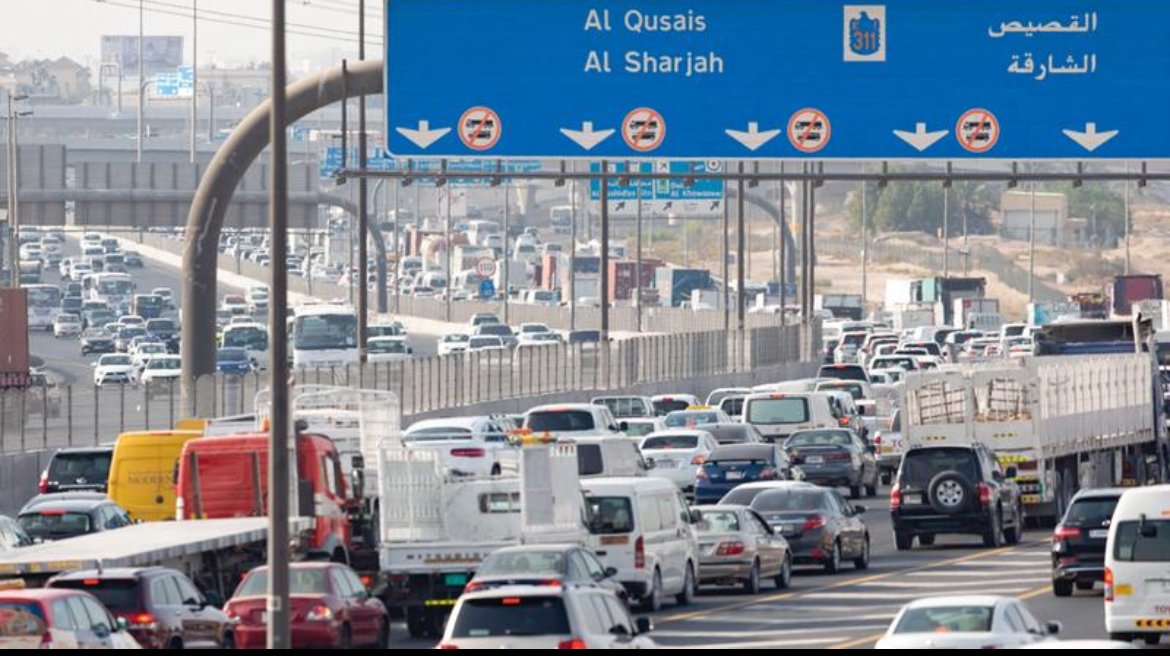
UAE Petrol Prices Jump to Highest Level in Nearly 4 Years
One of the biggest economic stories in the UAE this month is the sharp increase in fuel prices. The UAE Fuel Price Committee announced new rates for June 2026, with petrol prices rising by around 8%, pushing them to their highest levels in nearly four years. This increase affects millions of drivers across Dubai and the rest of the UAE.
New Fuel Prices for June 2026
The updated fuel rates are:
- Super 98: AED 3.95 per litre
- Special 95: AED 3.83 per litre
- E-Plus 91: AED 3.76 per litre
- Diesel: AED 4.33 per litre
Compared with May 2026, petrol prices have increased by approximately AED 0.28–0.29 per litre, while diesel has also become more expensive. These are among the highest fuel prices seen in the UAE since 2022.
Why Are Prices Rising?
The increase is largely linked to developments in global energy markets. Ongoing geopolitical tensions in the Middle East have raised concerns about oil supplies and shipping routes. Investors are closely watching key oil transit areas, including the Strait of Hormuz, through which a significant portion of the world’s oil exports pass.
As uncertainty grows, global crude oil prices tend to rise, and because UAE fuel prices are adjusted monthly based on international market conditions, local motorists are now seeing the impact at the pump.
Impact on Dubai Residents
Dubai is a city where many people rely on personal vehicles for daily commuting. As a result, higher petrol prices can have a noticeable effect on monthly budgets.
For example, a driver filling a 60-litre fuel tank with Super 98 petrol will now pay significantly more than they did in May. Over multiple refills each month, the additional cost can add up quickly, especially for people who drive long distances every day.
Taxi drivers, ride-hailing drivers, delivery workers, and sales professionals who spend much of their day on the road may feel the greatest impact from the increase.
Effect on Businesses
Higher fuel prices do not affect only individual drivers. Businesses that depend on transportation and logistics also face rising operating costs.
Delivery companies, trucking firms, courier services, and transport operators may see their expenses increase due to higher fuel consumption. If elevated fuel prices continue for an extended period, some businesses could eventually pass part of these costs on to consumers through higher service or product prices. This may contribute to broader inflationary pressures within the economy.
Public Reaction
Many UAE residents have expressed concern about the increase, particularly because fuel costs influence many other aspects of daily life. Discussions on social media and community forums have highlighted worries about rising transportation expenses and the overall cost of living.
At the same time, the price increase has renewed interest in fuel-efficient vehicles, electric cars, and public transportation options as people look for ways to reduce their monthly expenses.
What Happens Next?
Fuel prices in the UAE are reviewed and updated every month. Future price movements will largely depend on global oil prices and developments in regional geopolitical conditions.
If tensions ease and crude oil prices decline, motorists could see some relief in coming months. However, if uncertainty in energy markets continues, fuel prices may remain elevated or experience further fluctuations.
Conclusion
The June 2026 fuel price increase marks one of the most significant rises seen in recent years. With petrol reaching nearly a four-year high, drivers and businesses across Dubai and the UAE are preparing for higher transportation costs. While the situation remains dependent on global market conditions, the latest increase serves as a reminder of how international events can directly affect everyday life in the UAE.