


UAE Economy Shows Resilience Despite Regional Challenges
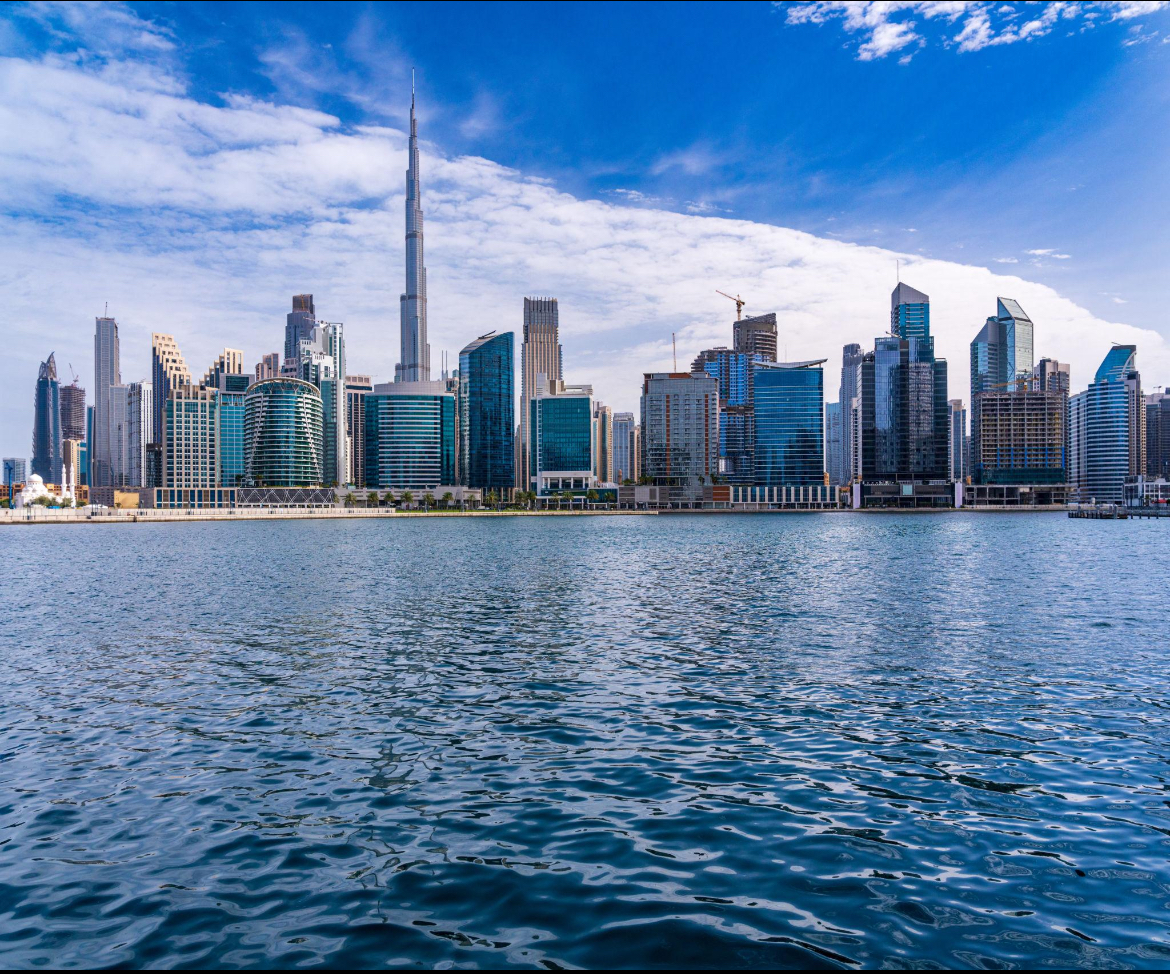
The United Arab Emirates’ non-oil economy continued to expand in May 2026, according to the latest S&P Global Purchasing Managers’ Index (PMI) data released on 3 June. This development is particularly significant because it comes at a time when businesses across the region are dealing with geopolitical tensions, shipping disruptions, and uncertainty in international trade. Despite these obstacles, the UAE’s private sector has demonstrated remarkable resilience and adaptability.
The PMI, one of the most closely watched indicators of economic health, rose to 52.6 in May from 52.1 in April. Any reading above 50 indicates growth, while a reading below 50 signals contraction. Although the increase appears modest, it suggests that business activity in the UAE continued to expand even as companies faced external pressures.
One of the main challenges affecting businesses has been disruptions to maritime trade routes. The effective closure and uncertainty surrounding the Strait of Hormuz have created delays in shipping and increased transportation costs. The survey showed that delivery times for materials and supplies worsened significantly, reaching their most severe levels since April 2020. These delays have affected companies that rely on imported goods and raw materials.
Export-oriented businesses were among the hardest hit. New export orders declined as international shipping became more complicated and expensive. Many companies reported difficulties in fulfilling overseas orders on schedule. Despite this, domestic demand remained relatively stable, helping offset some of the losses experienced in export markets.
The report also highlighted an increase in business output. Production levels rose to a three-month high, indicating that companies continued to meet customer demand and maintain operations despite supply-chain challenges. However, the pace of expansion remained below the UAE’s long-term average, suggesting that growth could have been stronger under more favorable conditions.
Dubai, which serves as one of the region’s most important commercial and financial hubs, also recorded growth during May. The Dubai PMI rose slightly to 52.0, remaining above the growth threshold. However, output growth in the emirate slowed to its weakest level since June 2021, reflecting the impact of regional uncertainty on business confidence and investment decisions.
Employment trends presented a mixed picture. Companies continued hiring workers, but job creation slowed considerably and reached its weakest pace since October 2025. Businesses appear to be taking a cautious approach, balancing the need for additional staff against concerns about future demand and rising operating costs. Nevertheless, firms managed to reduce outstanding workloads by increasing capacity and improving efficiency.
Another important finding from the survey was the rise in input costs. Businesses reported higher expenses for raw materials, transportation, and logistics services. These increases were largely attributed to supply-chain disruptions and elevated freight costs. Despite the pressure on margins, many companies chose not to pass the full cost increase on to customers, preferring to remain competitive in a challenging market environment.
Looking at the bigger picture, the UAE economy continues to benefit from years of diversification efforts. While oil remains an important contributor, sectors such as tourism, technology, finance, logistics, real estate, and professional services have become increasingly significant drivers of growth. The survey noted that the UAE’s non-oil GDP grew strongly in 2025, helping the country maintain one of the strongest economic performances in the region.
Business sentiment also remained positive. Despite ongoing regional tensions, many firms expressed confidence that economic conditions would improve once trade routes normalize and geopolitical risks ease. Companies continue to invest in technology, operational efficiency, and market expansion, reflecting optimism about the UAE’s long-term prospects.
In summary, the latest PMI data paints a picture of an economy that is growing steadily despite significant external challenges. The UAE’s ability to maintain expansion in its non-oil sector while dealing with shipping disruptions, higher costs, and regional uncertainty demonstrates the strength and flexibility of its business environment. While risks remain, the country’s diversified economic base and continued investment in key industries provide reasons for optimism in the months ahead.