
Dubai’s $55 Billion Mega Project: Emaar’s Biggest Vision Yet
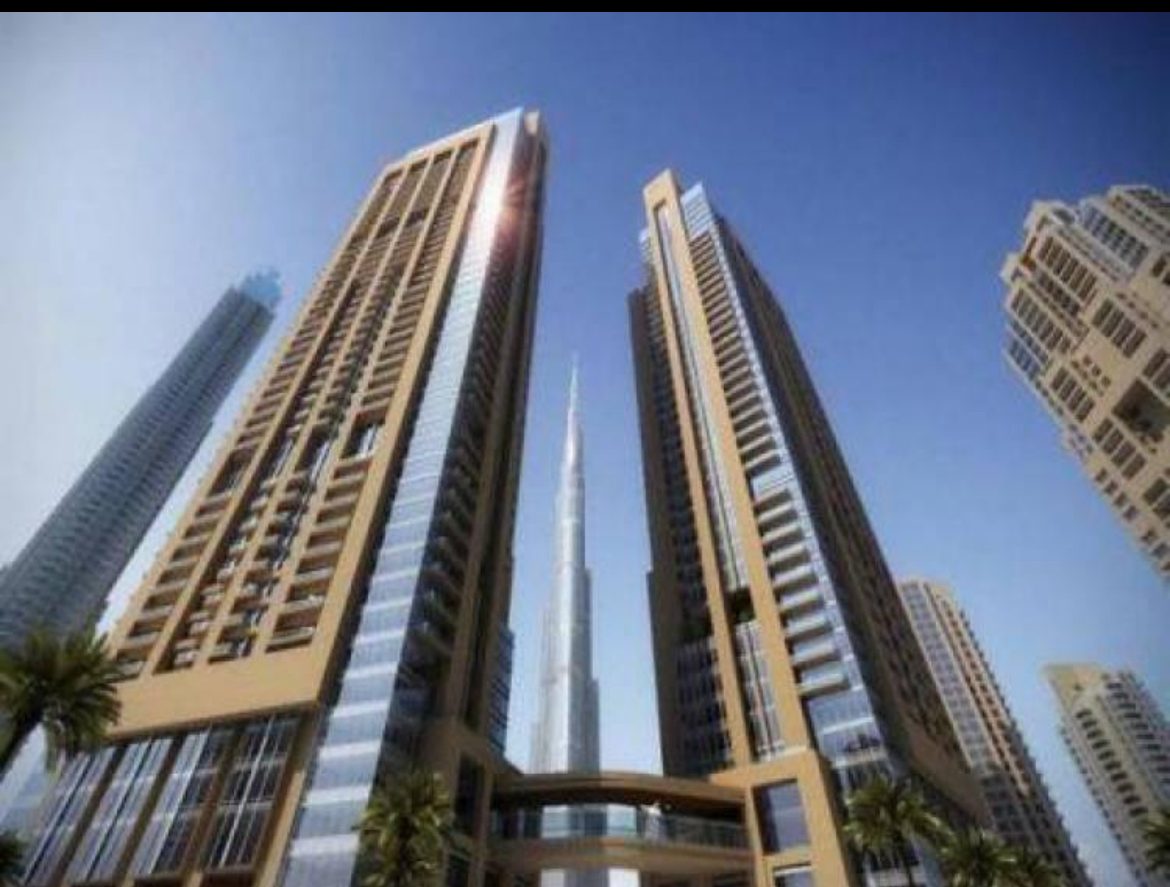
Dubai has built a global reputation for thinking bigger than almost any other city in the world. From the world’s tallest building, the Burj Khalifa, to the iconic Palm Jumeirah, the city has consistently pushed the boundaries of architecture, engineering, and urban development. Now, Dubai is preparing for another massive leap forward.
On June 11, 2026, Emaar Properties announced plans for a gigantic new urban district valued at approximately $55 billion (AED 200 billion). The project is expected to become one of the largest real estate developments in the history of the United Arab Emirates and one of the most ambitious projects ever undertaken by Emaar.
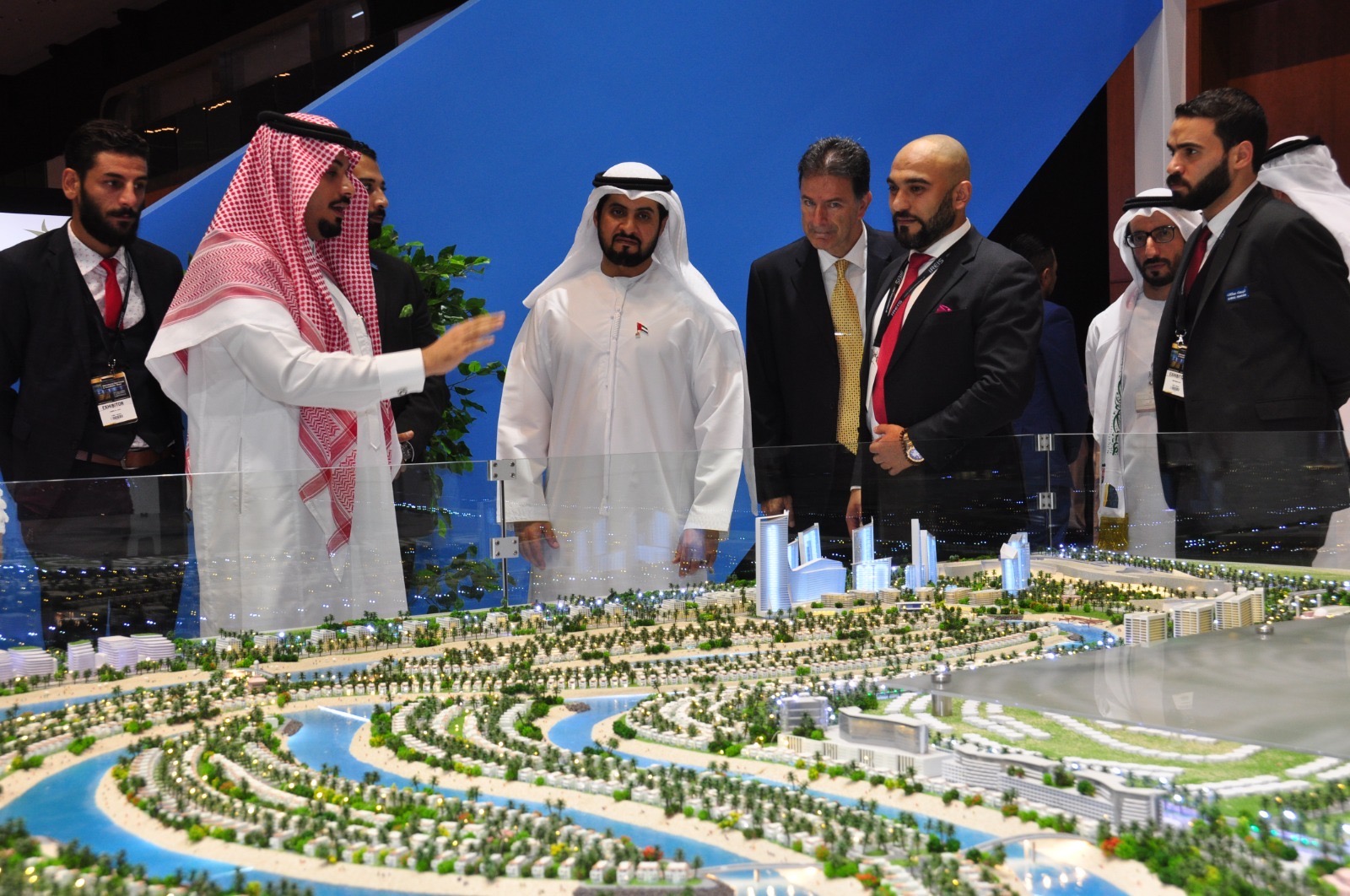
The announcement immediately attracted attention from investors, developers, architects, and urban planners worldwide because of its sheer scale. According to Emaar founder Mohammed Alabbar, the development will be designed as a complete modern city district rather than a simple housing project. It will feature residential communities, luxury villas, apartment towers, offices, shopping destinations, entertainment zones, green spaces, and public infrastructure.
What makes this project especially significant is its capacity. Reports indicate that the development is expected to accommodate around 150,000 residents across a massive area of approximately 4.5 million square meters. That makes it comparable in size to an entire city district rather than a traditional residential community.
Why This Project Matters
Dubai’s economy has evolved dramatically over the last two decades. While oil played a role in the emirate’s early development, modern Dubai is heavily dependent on tourism, finance, aviation, technology, and real estate.
Real estate remains one of the strongest pillars of Dubai’s economy. In 2025, Dubai recorded around 270,000 property transactions worth roughly $250 billion, demonstrating continued demand from both local and international investors.
The new Emaar development sends a powerful message that Dubai intends to continue expanding aggressively despite global economic uncertainty and regional geopolitical tensions. Analysts view the project as a sign of confidence in the long-term growth of Dubai’s population, business activity, and global attractiveness.
A City Within a City
The vision behind the project goes beyond simply building more apartments.
Emaar aims to create a self-sustaining urban ecosystem where residents can live, work, shop, and enjoy entertainment without needing to travel long distances.
The development is expected to include:
- High-rise residential towers
- Luxury waterfront villas
- Commercial office districts
- Shopping and retail centers
- Restaurants and entertainment venues
- Parks and green spaces
- Smart infrastructure
- Sustainable transportation systems
This approach follows Dubai’s broader strategy of developing integrated master-planned communities rather than isolated residential neighborhoods.
Strategic Location
One of the most interesting aspects of the project is its location.
According to announcements from Emaar, residents will enjoy views of three of Dubai’s most famous landmarks:
- Burj Khalifa
- Burj Al Arab
- Palm Jumeirah
This suggests that the project occupies an exceptionally valuable position within Dubai’s urban landscape. Premium views often translate into higher property values and stronger demand from investors and international buyers.
Impact on Employment
Large-scale developments generate enormous economic activity.
Construction alone is expected to create thousands of jobs across engineering, architecture, project management, logistics, manufacturing, and construction sectors.
After completion, the district will require:
- Property management teams
- Retail workers
- Hospitality staff
- Security personnel
- Maintenance workers
- Technology specialists
This means the project could contribute significantly to employment opportunities in Dubai over the coming decade.
Why Investors Are Excited
Dubai has become one of the world’s most attractive real-estate investment destinations.
Several factors contribute to this:
- No annual property tax
- Strong rental yields
- Growing population
- Business-friendly regulations
- Strategic global location
- High-quality infrastructure
Emaar itself remains one of the most trusted developers in the Middle East. The company is responsible for landmark projects including the Burj Khalifa and the Dubai Mall. Strong sales performance and a large revenue backlog indicate continued demand for its developments.
For investors, a new AED 200 billion project creates opportunities across residential, commercial, and retail sectors.
Challenges Ahead
Despite the excitement, projects of this magnitude are never without challenges.
Potential issues include:
- Construction timelines
- Global economic conditions
- Material costs
- Labor availability
- Regional geopolitical developments
Additionally, Dubai’s property market is cyclical, meaning periods of rapid growth are sometimes followed by slower phases. Managing supply and demand will be important to ensure long-term success.
The Future of Dubai
Dubai’s story has always been about transformation.
What was once a small trading port has evolved into one of the world’s most recognizable cities. Every decade has produced a project that seemed impossible at the time: the Burj Khalifa, Palm Jumeirah, Dubai Marina, and Downtown Dubai.
The new $55 billion Emaar district appears to be the next chapter in that story.
If executed successfully, it could become one of the most important urban developments of the 21st century, housing 150,000 residents, attracting billions in investment, creating thousands of jobs, and further strengthening Dubai’s position as a global hub for business, tourism, and innovation.
For anyone living in Dubai—including you, Prasun—this is the kind of project that can shape the city’s skyline, property market, and job opportunities for many years to come.