
Dubai Flight Disruptions 2026: Why Airlines Are Delaying and Cancelling Flights
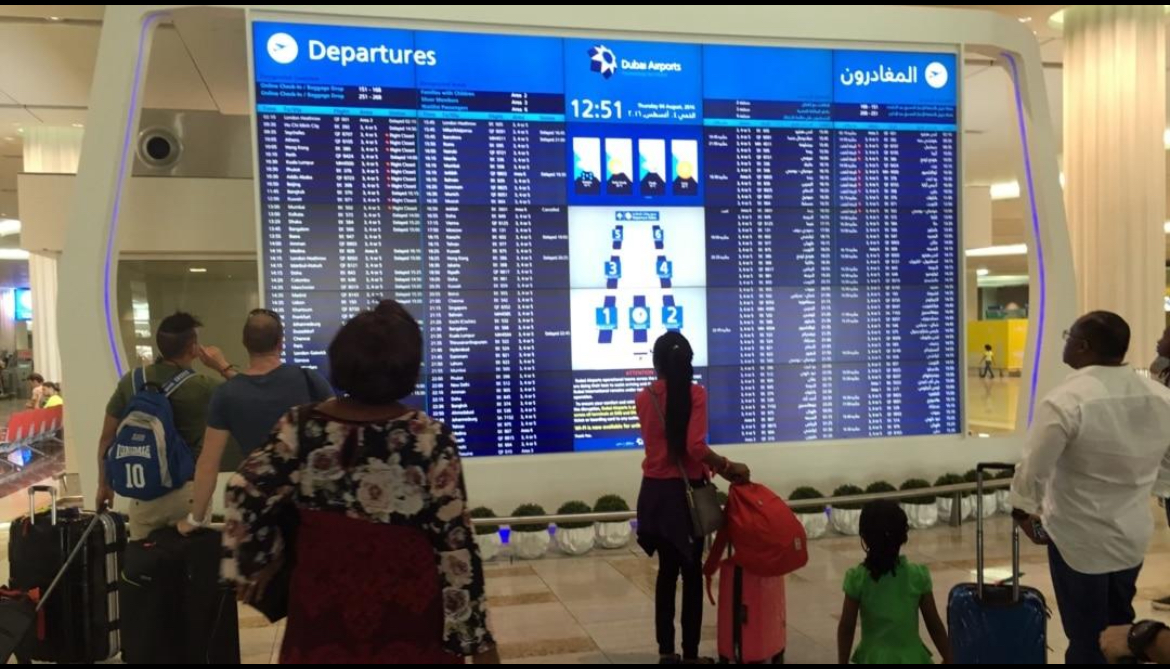
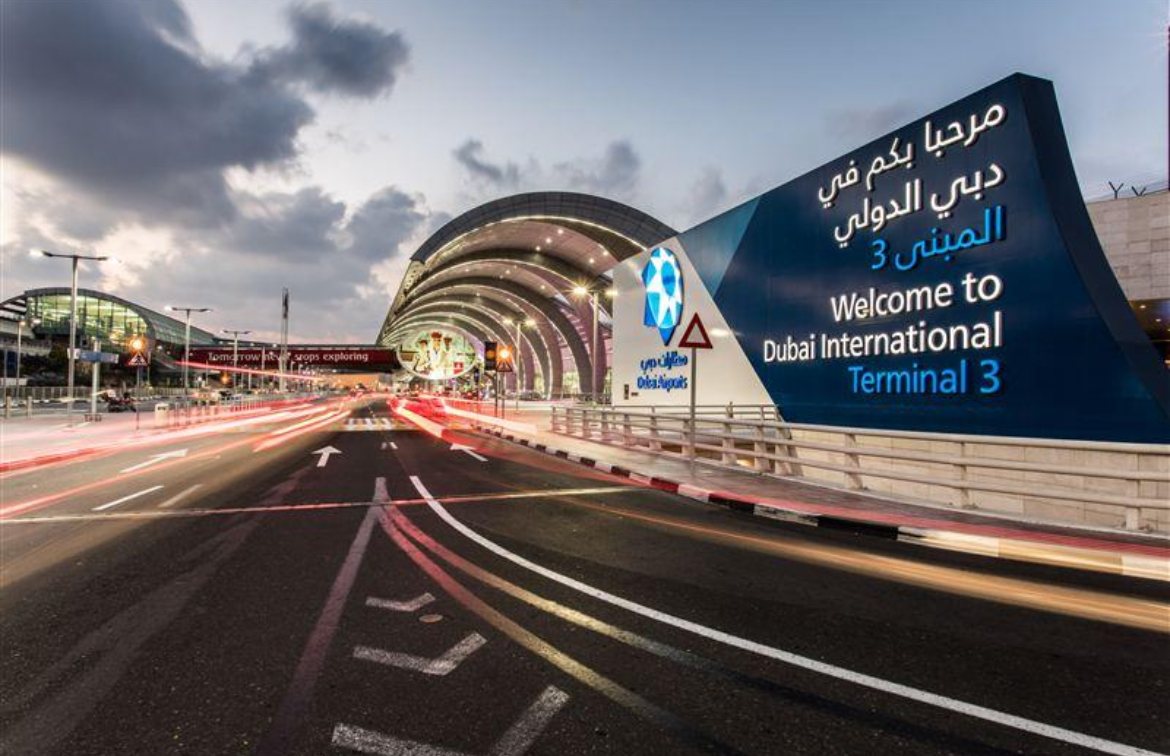
In June 2026, one of the biggest stories affecting Dubai is the ongoing disruption to international air travel. Dubai is home to one of the world’s busiest airports, Dubai International Airport, which normally handles millions of passengers every month. However, regional geopolitical tensions and airspace restrictions across parts of the Middle East have forced many airlines to suspend routes, delay flights, reduce schedules, and reroute aircraft.
For travelers, these disruptions have created uncertainty. For Dubai’s tourism industry, aviation sector, and economy, they represent one of the most significant operational challenges of the year.
What Started the Disruptions?
The current aviation problems are linked to ongoing conflict and security concerns in parts of the Middle East. Airlines must ensure passenger safety above all else. When airspace becomes risky or restricted, carriers often choose to reroute flights or suspend operations entirely.
Since late February 2026, airlines across Europe, Asia, and North America have been adjusting schedules due to changing conditions in regional airspace. Even when airports remain fully operational, airlines may cancel flights if the routes themselves are considered risky or inefficient.
Why Dubai Is Affected
Dubai occupies a strategic position between Europe, Asia, Africa, and Australia. Many long-haul flights pass through or near Middle Eastern airspace before reaching Dubai.
When airlines avoid specific air corridors, several problems occur:
- Flight times increase.
- Fuel consumption rises.
- Crew scheduling becomes more difficult.
- Aircraft availability decreases.
- Some routes become temporarily uneconomical.
As a result, airlines have reduced frequencies, delayed resumptions of service, or suspended certain Dubai routes altogether.
Airlines That Have Reduced or Suspended Dubai Services
Several major international airlines have extended suspensions or reduced operations to Dubai.
Among the carriers affected are:
- British Airways
- Lufthansa Group airlines
- Air Canada
- Cathay Pacific
- Singapore Airlines
- KLM
- Aegean Airlines
Some airlines have postponed the return of normal schedules until late summer or even October 2026. British Airways, for example, has extended its suspension of Dubai services significantly beyond its earlier target date.
Impact on Emirates
Despite the disruptions, Emirates has continued operating most of its network.
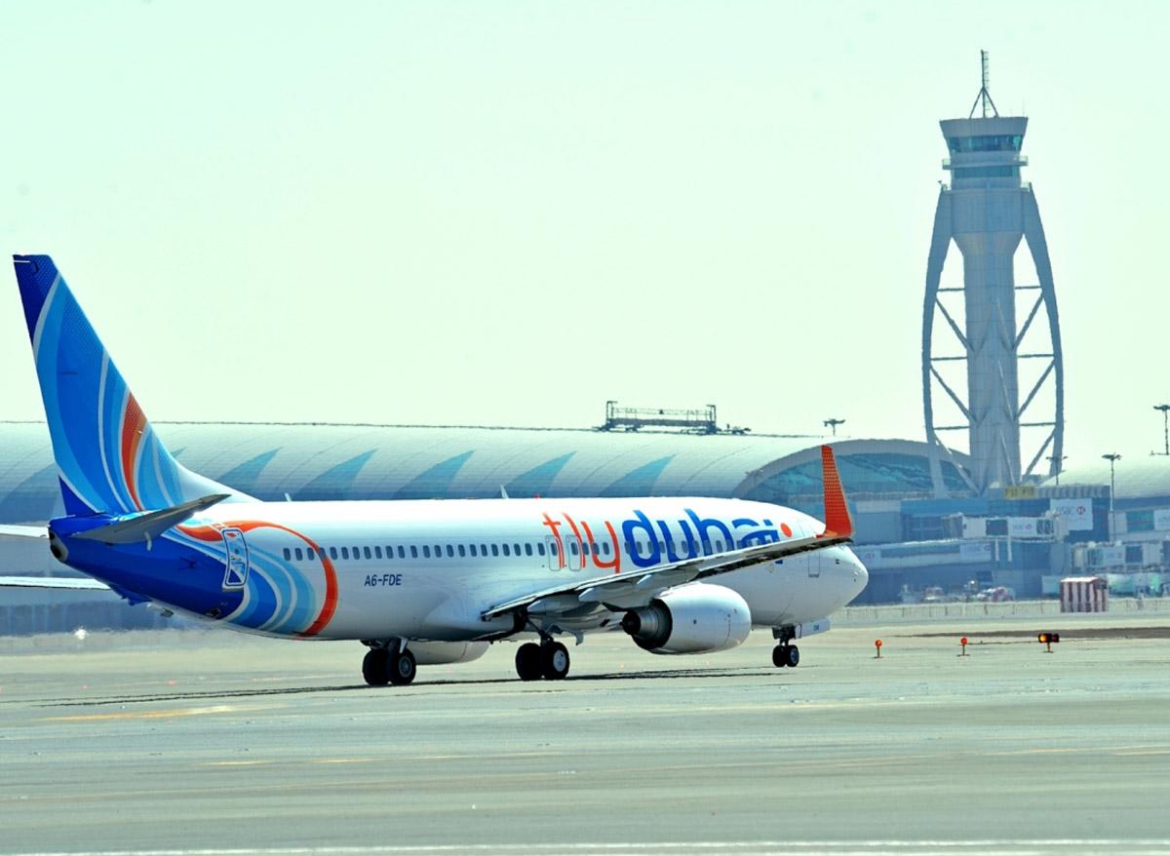
However, Emirates has still had to make adjustments. The airline reduced capacity on multiple routes and temporarily replaced some Airbus A380 services with smaller aircraft. Industry data suggests that hundreds of thousands of seats were removed from June schedules as the carrier adapted to changing airspace conditions.
At the same time, Emirates leadership has publicly stated that the airline does not intend to dramatically cut its overall network and remains committed to maintaining Dubai’s role as a global aviation hub.
What Travelers Are Experiencing
For passengers, the disruption often appears in several forms:
Flight Delays
Flights may depart later than scheduled because aircraft arrive late from previous sectors or need to follow longer routes.
Route Changes
Many aircraft are avoiding specific airspaces, causing longer flight times.
Cancellations
Some airlines have cancelled routes entirely until conditions improve.
Rebooking Challenges
Passengers frequently need alternative itineraries, leading to crowded customer service channels and limited seat availability during peak travel periods.
Economic Impact on Dubai
Aviation is one of Dubai’s most important industries.
Dubai’s economy depends heavily on:
- Tourism
- International business
- Transit passengers
- Cargo operations
- Hospitality
When flight schedules are disrupted, hotels, travel agencies, restaurants, and retailers can all feel the effects.
However, Dubai’s aviation sector is highly resilient. The city has successfully managed previous crises, including the COVID-19 pandemic and other regional disruptions. Most analysts believe that demand for travel through Dubai remains strong despite current challenges.
What Travelers Should Do
Anyone flying to or through Dubai in the coming weeks should:
- Check airline apps before leaving for the airport.
- Confirm flight status on the day of travel.
- Monitor airline emails and SMS updates.
- Arrive early for international flights.
- Keep flexible travel plans when possible.
Many airlines are offering free rebooking options or refunds for affected flights.
Looking Ahead
Although disruptions continue, there are signs that airlines are gradually restoring parts of their schedules. Several carriers have resumed limited services, while others are preparing to return routes later this summer. Aviation experts expect recovery to happen gradually rather than all at once.
Dubai has built its reputation as one of the world’s leading aviation hubs. While the current disruptions are significant, the city remains operational, millions of passengers continue to pass through its airports, and major airlines are working continuously to adapt their schedules.
For residents and travelers alike, the key message is simple: flights are still operating, but flexibility and regular schedule checks are more important than ever.