

Dubai Expands AI Integration Across Government Services
Dubai has taken another major step toward becoming one of the world’s smartest cities by expanding the use of artificial intelligence (AI) across numerous government departments. The initiative is part of the emirate’s long-term vision to improve public services, reduce waiting times, and make interactions between residents and government agencies faster and more efficient.
Officials announced that several government entities have introduced new AI-powered systems designed to handle customer inquiries, automate paperwork, and provide instant responses through digital platforms. Residents can now complete many government-related tasks without visiting service centers, making daily life significantly more convenient.
One of the most noticeable improvements is the expansion of AI-powered virtual assistants. These digital assistants can answer questions about visas, residency permits, driving licenses, business registrations, healthcare services, and municipal regulations. They operate around the clock, allowing residents to receive support at any time without waiting for office hours.
Authorities explained that the new AI systems are capable of understanding multiple languages, reflecting Dubai’s multicultural population. This feature helps ensure that residents and tourists from different countries can access government information more easily.
The initiative also aims to reduce administrative costs while increasing accuracy. Many repetitive tasks that previously required manual processing are now handled automatically by AI algorithms. Government officials believe this will free employees to focus on more complex responsibilities that require human judgment.
Dubai has already gained international recognition for embracing advanced technologies, including blockchain, autonomous transport, and smart policing. The latest AI expansion strengthens the city’s reputation as a global innovation hub.
Businesses are also expected to benefit. Entrepreneurs registering new companies can now complete several procedures digitally with AI-assisted guidance. The process is designed to reduce paperwork and shorten approval times, making Dubai even more attractive for startups and international investors.
Education is another sector expected to benefit from AI adoption. Government agencies are working with schools and universities to introduce AI-powered learning tools that provide personalized educational experiences. Students may receive customized study recommendations based on their strengths and weaknesses.
Healthcare services are also seeing improvements. AI systems can assist with appointment scheduling, patient inquiries, and administrative workflows, helping medical professionals spend more time focusing on patient care.
Transportation authorities are exploring additional AI applications for traffic management. Smart systems can analyze traffic flow in real time, helping reduce congestion and improve travel times during peak hours. This technology supports Dubai’s broader smart mobility strategy.
Cybersecurity remains a key priority as AI usage expands. Government officials emphasized that strict security measures have been implemented to protect personal information and ensure that digital services remain safe. Advanced encryption and continuous monitoring are being used to safeguard sensitive data.
Residents have generally welcomed the changes, particularly the convenience of accessing services through smartphones and online platforms. Many users report faster response times and simplified procedures compared to traditional methods.
Experts believe Dubai’s investment in AI could also create new employment opportunities in technology, cybersecurity, software development, and data science. Universities are expected to expand AI-related programs to prepare students for future careers in these fields.
International organizations continue to rank Dubai among the leading cities in digital transformation. Analysts say the emirate’s willingness to adopt emerging technologies gives it a competitive advantage in attracting global talent and investment.
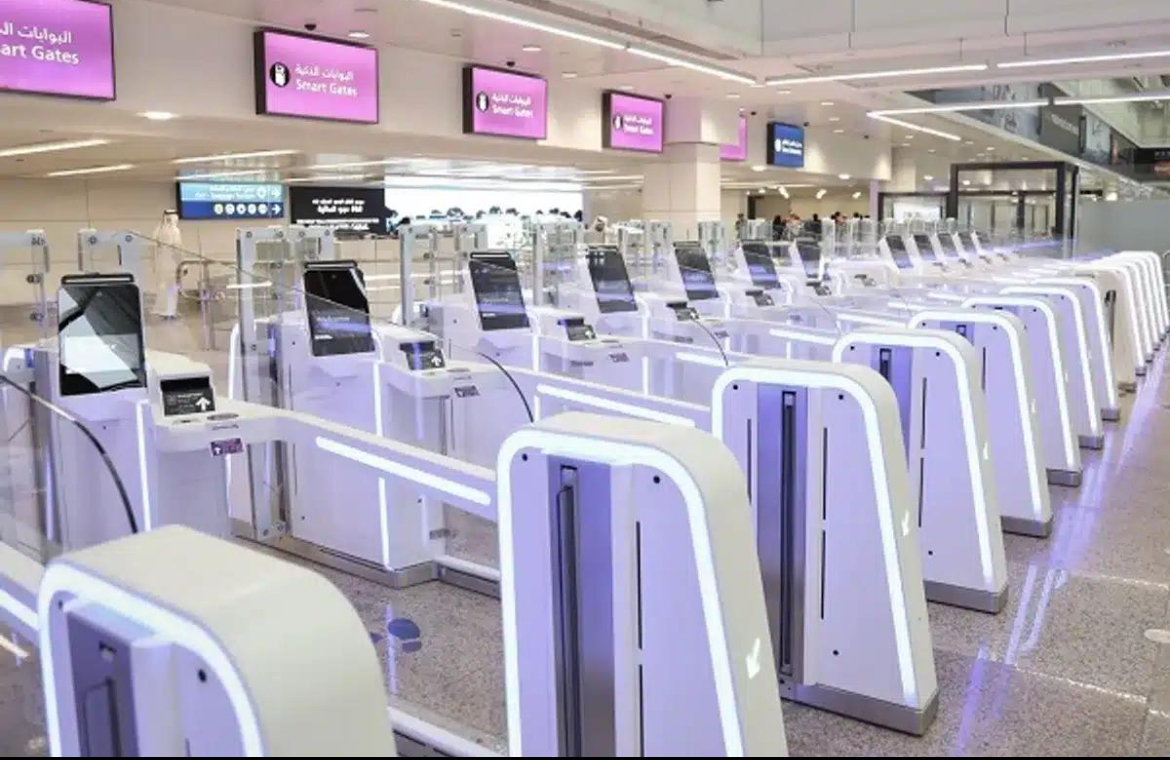
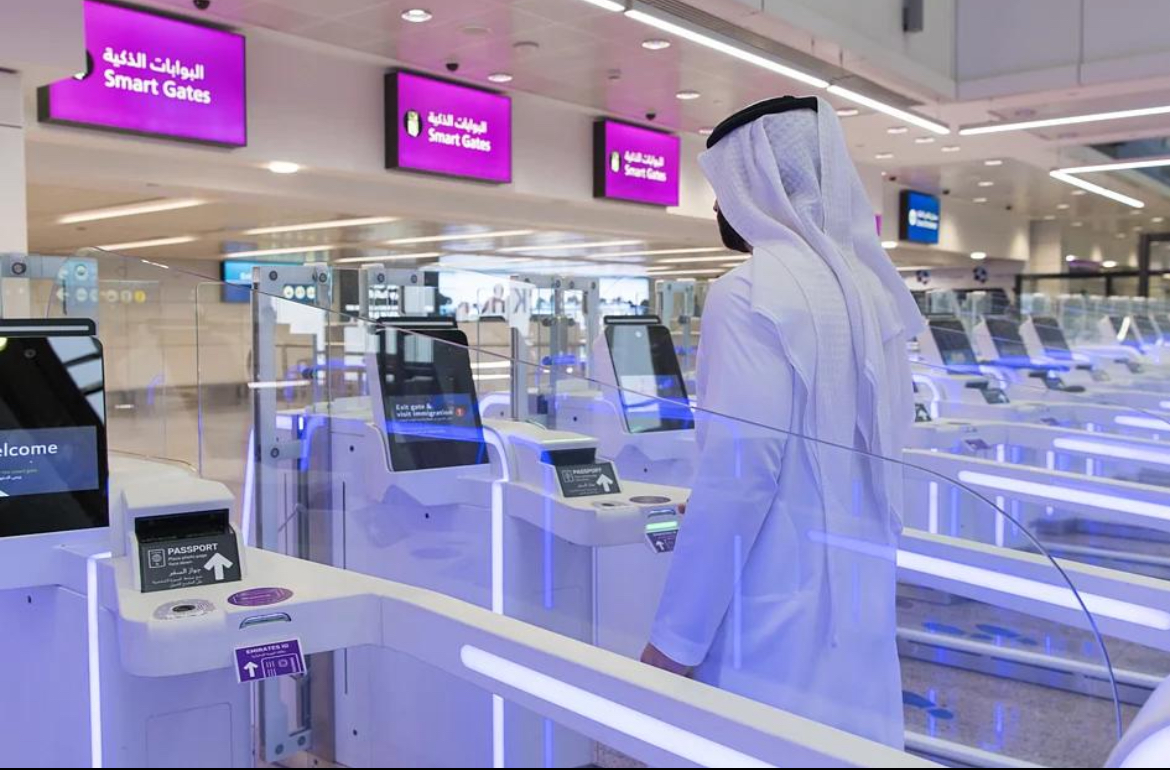
Tourists may also notice improvements through AI-powered information services available at airports, metro stations, and popular attractions. Digital assistants can provide travel advice, directions, and recommendations in several languages.
Officials emphasized that AI is intended to complement human workers rather than replace them. Government employees will continue to play essential roles, particularly in decision-making, customer relations, and specialized services requiring personal interaction.
Environmental sustainability is another area where AI is expected to contribute. Smart systems can optimize energy consumption in government buildings and improve waste management by analyzing usage patterns and identifying areas for efficiency.
Dubai’s broader vision includes becoming one of the world’s leading AI-powered cities by the end of the decade. Continued investments in digital infrastructure, cloud computing, and innovation partnerships are expected to support this goal.
Industry experts note that the success of these initiatives will depend not only on technology but also on public trust. Transparent governance, responsible AI practices, and strong privacy protections will remain essential as digital services continue expanding.
For residents, the changes represent another step toward a future where many everyday government interactions become quicker, simpler, and more accessible. As Dubai continues investing in innovation, AI is likely to become an even more integrated part of daily life across the emirate.