
UAE Non-Oil Economy Continues to Grow Despite Regional Challenges
The United Arab Emirates has once again demonstrated the strength and resilience of its diversified economy, as the country’s non-oil private sector continued to expand during May 2026 despite regional tensions, supply-chain disruptions, and uncertainty surrounding trade routes in the Gulf.
According to the latest S&P Global Purchasing Managers’ Index (PMI), the UAE’s non-oil business activity improved slightly in May, with the PMI rising to 52.6, up from 52.1 in April. Any reading above 50 indicates economic expansion, showing that business conditions continue to improve despite external challenges.
The report highlights how businesses across sectors such as retail, tourism, construction, logistics, manufacturing, and professional services continued to grow even as companies faced rising transportation costs and disruptions linked to tensions around the Strait of Hormuz. Although growth remained below the long-term average, the overall direction of the economy remained positive.
One of the strongest indicators in the report was the increase in business output. Around 21 percent of surveyed companies reported higher levels of activity during May. Many businesses attributed this growth to stronger domestic demand, expansion projects, and government-backed economic initiatives designed to encourage investment and entrepreneurship.
Economists noted that the UAE’s ability to maintain growth during periods of uncertainty reflects years of successful economic diversification. Unlike many economies in the region that remain heavily dependent on oil revenues, the UAE has invested heavily in sectors such as tourism, aviation, technology, finance, logistics, renewable energy, and advanced manufacturing.
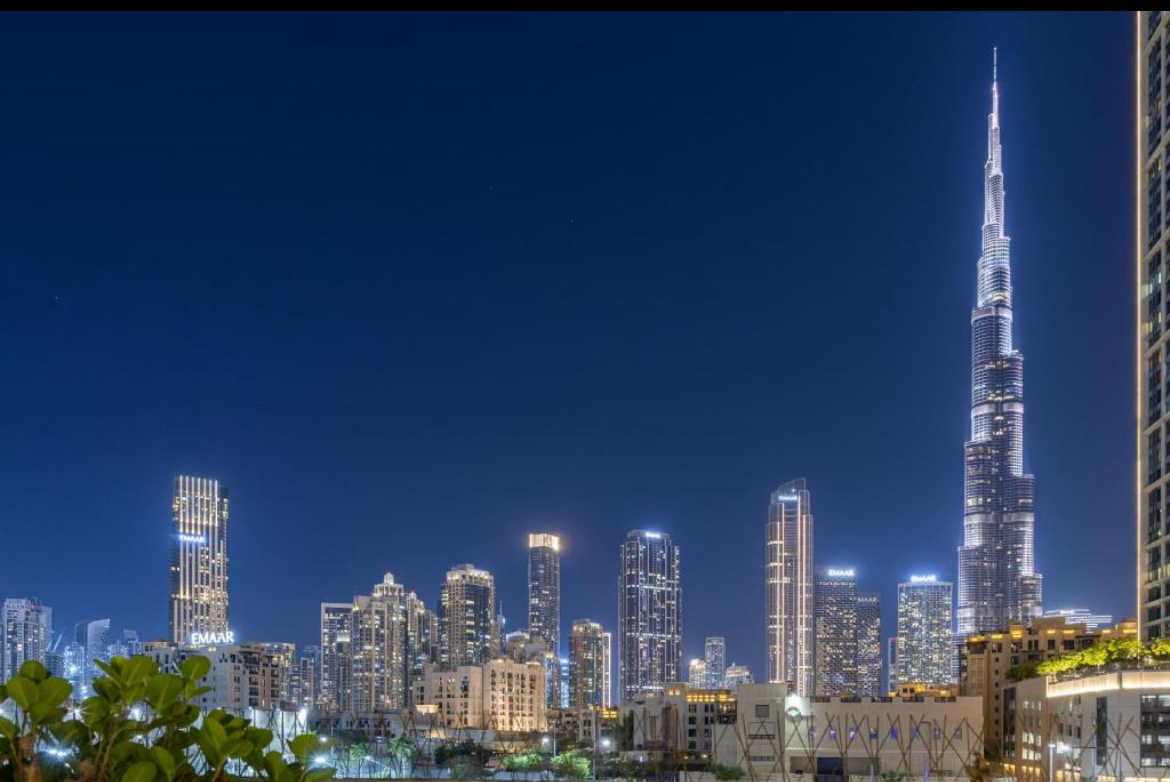
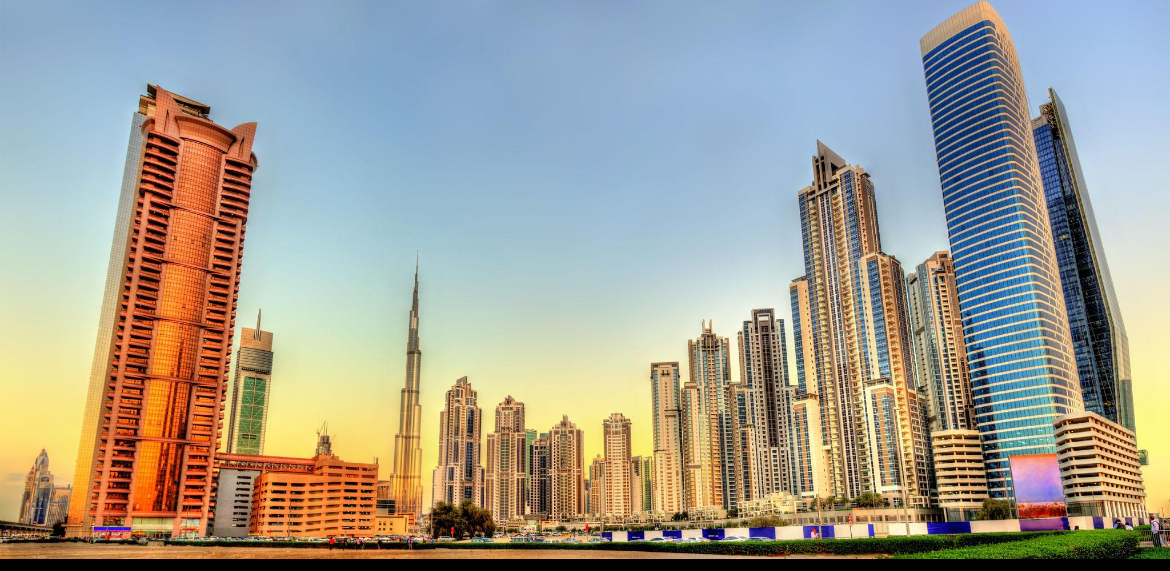
Dubai continues to play a particularly important role in this transformation. As one of the world’s leading tourism and business hubs, the emirate attracts millions of visitors, entrepreneurs, and investors every year. Its strategic location between Europe, Asia, and Africa makes it a key center for global trade and commerce.
However, the latest report also revealed several challenges facing businesses. Supply-chain disruptions became more severe during May as shipping routes experienced delays. Delivery times lengthened to their worst levels since April 2020 during the COVID-19 pandemic. Companies reported difficulties obtaining materials on schedule, increasing operational pressures across multiple industries.
Export orders also declined during the month. Businesses cited uncertainty surrounding regional conflicts and disruptions to maritime trade as major reasons for weaker international demand. While domestic business activity remained relatively stable, exports faced additional pressure from higher transportation costs and delayed shipping schedules.
Another challenge was the increase in operating costs. Rising transportation fees and higher material prices pushed input costs to their fastest rate of increase in nearly two years. Despite these pressures, many businesses chose not to fully pass the additional costs onto customers due to intense market competition. Instead, some firms offered discounts in an effort to attract new clients and maintain sales growth.
Employment growth also slowed during May. Companies remained cautious about hiring as they monitored the impact of regional developments and rising costs. Nevertheless, businesses generally maintained a positive outlook for the coming year. Survey respondents expressed confidence that current disruptions would be temporary and that economic conditions would improve once regional uncertainty eases.
The UAE’s strong economic fundamentals continue to support this optimism. Recently released government figures showed that the country’s real GDP grew by 6.2% in 2025, while the non-oil sector expanded by an even stronger 6.8%. These numbers underline the success of the UAE’s long-term strategy to reduce dependence on hydrocarbons and create sustainable growth across multiple industries.
Government initiatives such as the “Projects of the 50,” major infrastructure investments, digital transformation programs, and efforts to attract global talent have all contributed to strengthening the business environment. International investors continue to view the UAE as one of the most attractive destinations in the Middle East due to its political stability, modern infrastructure, and business-friendly regulations.
In Dubai specifically, the PMI also improved slightly to 52.0, indicating continued expansion in the emirate’s non-oil private sector. While growth in activity slowed somewhat due to higher costs and softer demand, the overall trend remained positive. Businesses continued benefiting from tourism, trade, and investment activity that supports the city’s economy.
Looking ahead, economists expect the UAE economy to remain one of the strongest performers in the region. Although geopolitical tensions and supply-chain challenges could continue creating short-term obstacles, the country’s diversified economic structure, strong fiscal position, and commitment to innovation are expected to support long-term growth.
For businesses, investors, and residents, the latest PMI data provides another sign that the UAE economy remains resilient even during uncertain times. While challenges persist, the nation’s ability to maintain expansion in its non-oil sectors demonstrates the effectiveness of its diversification strategy and its growing role as a global economic hub.