

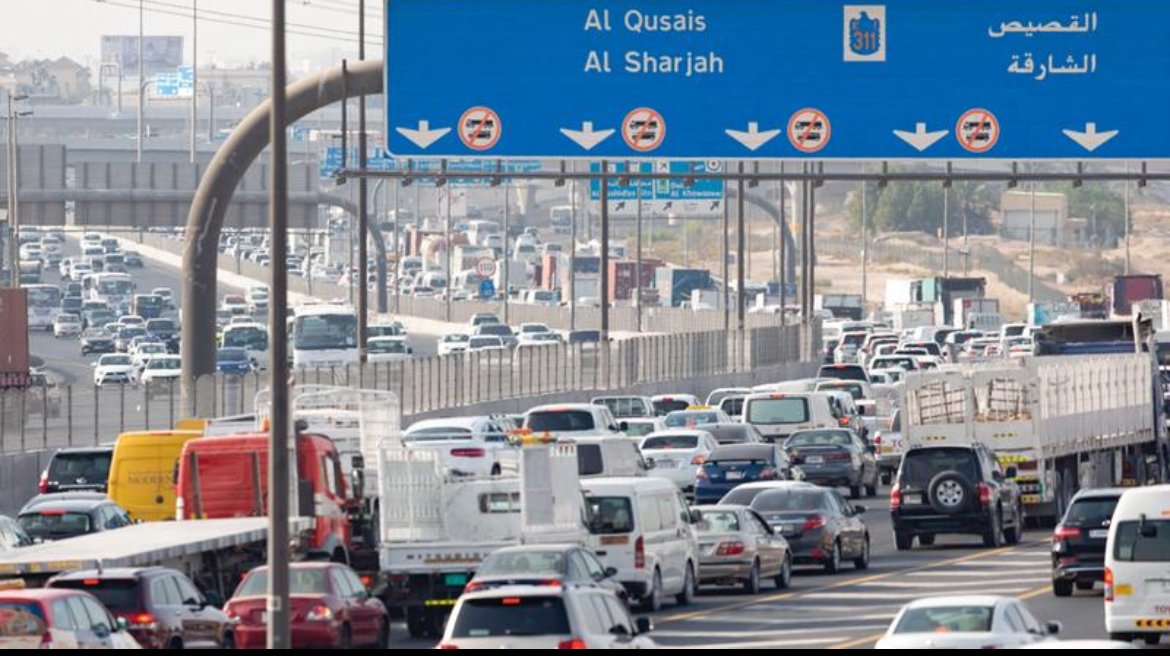
Dubai Flight Disruptions Continue Amid Regional Tensions
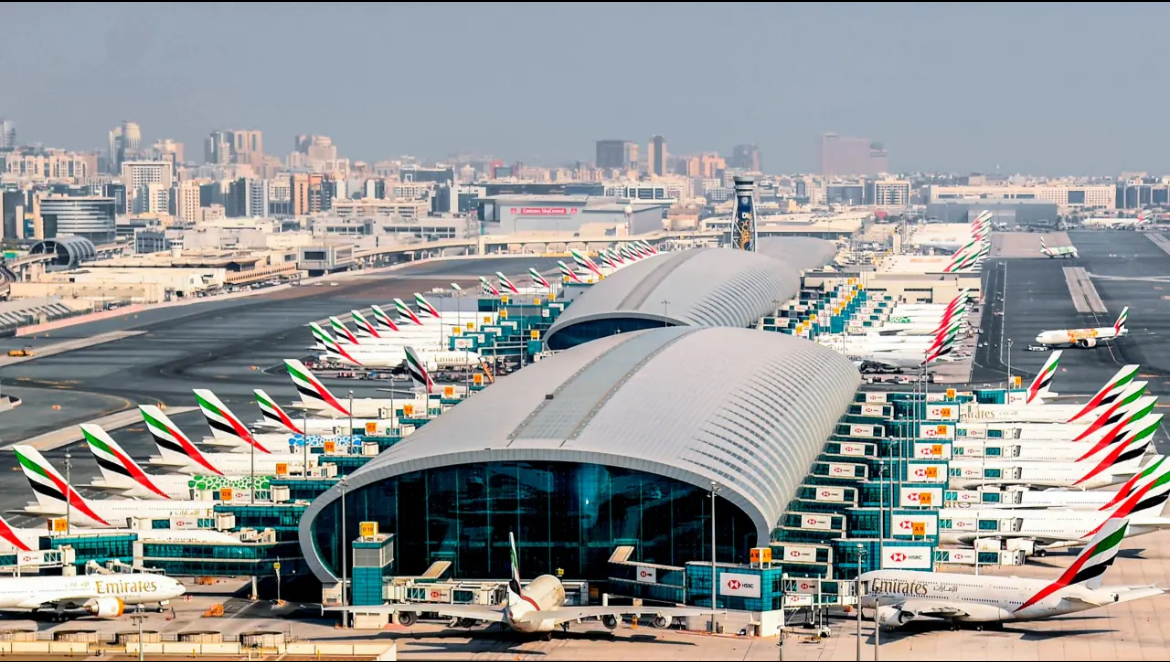
Dubai’s aviation sector continues to face challenges due to ongoing geopolitical tensions in the Middle East. While Dubai remains one of the world’s busiest and most connected aviation hubs, airlines are still adjusting schedules, rerouting flights, and monitoring security developments across the region.
The disruptions are primarily linked to the wider conflict involving Iran and regional security concerns. Several countries have imposed temporary airspace restrictions, forcing airlines to avoid certain flight corridors. As a result, carriers operating between Europe, Asia, and the Middle East have had to take longer routes, leading to increased flight times, higher fuel costs, and occasional cancellations.
Many international airlines have extended their suspension of flights to some Middle Eastern destinations. For example, Dutch carrier KLM announced that flights to and from Dubai would remain suspended for an extended period while the security situation is reviewed. Other major global airlines have also delayed plans to fully restore normal operations in the region.
Dubai International Airport (DXB) is a critical global transit hub connecting travelers from Europe, Asia, Africa, and the Americas. Even minor disruptions can affect thousands of passengers and create ripple effects across international airline networks. Earlier this year, regional airspace closures and security incidents caused significant interruptions to operations, forcing airlines to suspend or reroute services.
Despite these challenges, aviation authorities in the UAE have worked to maintain safe and efficient operations. Emirates, flydubai, Etihad Airways, and other regional carriers have gradually restored many services while continuously monitoring the situation. Airlines are advising passengers to verify flight schedules before leaving for the airport and to stay updated through official airline channels.
The impact extends beyond passengers. Airlines are facing increased operational costs because longer routes require more fuel and additional crew planning. Some flights that would normally cross Iranian or Iraqi airspace are now being rerouted through alternative corridors, adding both time and expense to journeys. Aviation experts note that such changes can affect airline profitability if disruptions continue for an extended period.
For travelers, the main advice remains simple: check flight status regularly, arrive at the airport with extra time available, and ensure contact details are updated with the airline so that any schedule changes can be communicated quickly. Most airlines continue to offer flexible rebooking options for affected passengers.
Although the current situation has created uncertainty, Dubai’s aviation infrastructure remains highly resilient. The city has extensive experience handling major travel disruptions and continues to serve millions of passengers every month. Industry observers expect flight operations to stabilize further if regional tensions ease, but airlines are likely to remain cautious until the security environment becomes more predictable.
In summary, today’s major Dubai aviation story is not a complete shutdown of air travel but rather the continued adjustment of airline operations in response to regional security concerns. Travelers can still fly through Dubai, but they should remain alert to schedule changes and airline advisories as the situation develops.